
In the ever-evolving world of digital experiences, web design trends don’t just shape how a website looks — they directly influence user engagement, conversions, and SEO performance. As we enter 2026, it’s time to explore the web design innovations that leading brands and web designer are embracing, and how these trends align with Google’s latest expectations for quality content and user experience.
Why “Web Design Trends” Still Matters in 2026
Before diving into individual trends, it’s important to understand that Google’s December 2025 Core Update reinforces something every website owner should care about: content must be helpful, user-focused, and authoritative — not just written to rank. Pages that genuinely help readers and reflect real expertise are more likely to rank well and retain visibility in search results.
This means your blog shouldn’t just list design trends — it should explain why they matter, how to use them effectively, and what impact they’ll have on real website performance.
Top Web Design Trends to Follow in 2026
Here are the most impactful web design trends shaping 2026:
1. AI-Driven Personalization and Smart User Experiences
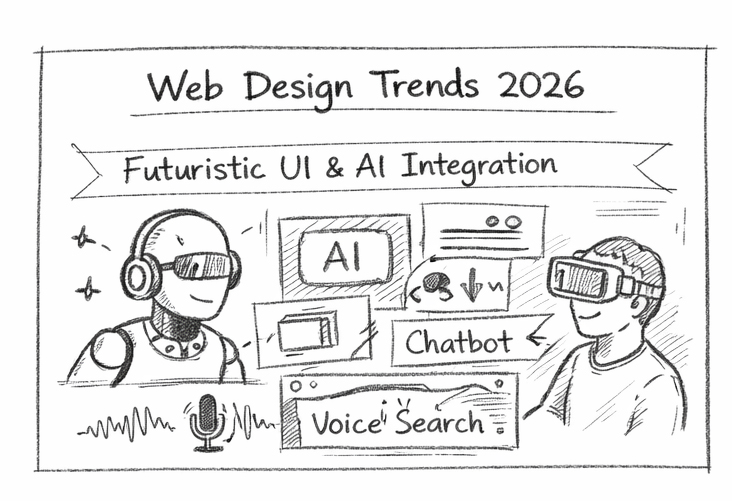
One of the biggest forces shaping web design in 2026 is AI integration. Smart personalization doesn’t just recommend products — it adapts content, layout elements, and interactions based on user behavior, demographics, and even real-time context.
Why it matters:
- Makes every visitor feel like the site was built just for them
- Improves user engagement and conversion rates
2. Immersive 3D and Motion-Rich Design
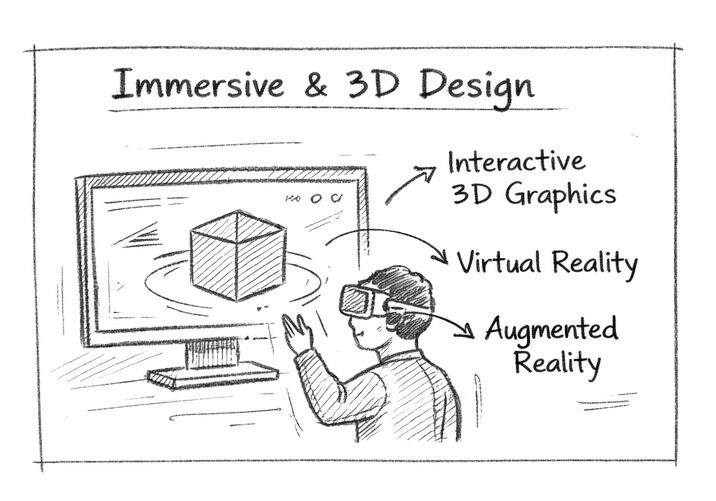
Static pages are becoming a thing of the past. With powerful tools and frameworks like WebGL and React Three Fiber, 3D elements and interactive motion graphics are moving into mainstream web design services.
How to use it:
- Subtle parallax scrolling
- Interactive product showcases
- Animated illustrations that respond to user actions
3. Organic Layouts & Anti-Grid Structures
Rigid grid layouts are giving way to more fluid, organic designs that feel human rather than mechanical. Soft curves, overlapping elements, and asymmetrical layouts add visual personality without losing usability.
Benefits:
- Feels modern and unique
- Enhances storytelling and emotional engagement
4. Mobile-First by Default
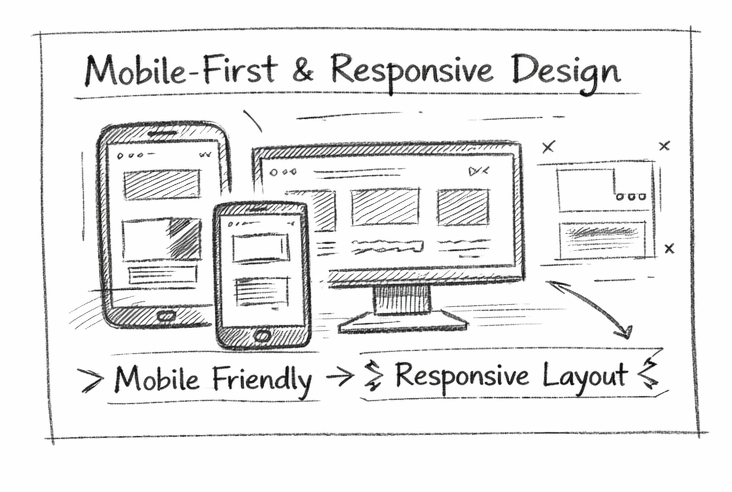
Mobile traffic still dominates, and in 2026, mobile-first design isn’t optional — it’s assumed. This means starting every project with the mobile experience in mind and ensuring performance and navigation are optimized for smaller screens.
Pro tip:
Use tools like Google’s PageSpeed Insights to audit mobile UX and performance. Fast, responsive sites are rewarded both by users and Google.
5. Bold Typography & Vibrant Color Schemes
Minimalism still has its place, but bold typography paired with vibrant or contrasting color palettes helps brands stand out and communicate personality at a glance.
How to implement:
- Use oversized headings for emphasis
- Apply dynamic color schemes that reinforce brand identity
6. Micro-Interactions That Delight — Not Distract
Micro-interactions are small animations — like hover effects or button responses — that give immediate feedback to users. When done with purpose, they enhance usability and delight without overwhelming.
Impact:
- Makes interfaces feel intuitive
- Reduces friction in user journeys
7. Accessibility as a Requirement, Not an Afterthought
Inclusive design isn’t just ethical — it also broadens your audience. In 2026, accessibility features like keyboard navigation, readable font sizes, and screen-reader support are expected norms.
Core benefits:
- Improves SEO
- Expands usability to users with disabilities
How These Trends Help Your SEO in 2026
Following modern web design trends isn’t just about aesthetics — it influences how well your content performs in search:
Align with Google’s Quality Signals
Google’s December 2025 Core Update emphasizes useful, user-first content. When your design supports exceptional user experiences and clarity of information, Google rewards that.
Better Engagement = Better Rankings
Sites with higher engagement (longer time on page, lower bounce rates, strong session duration) often rank better. Modern design features — when used thoughtfully — help achieve these engagement metrics.
Final Thoughts
Keeping up with web design trends isn’t about chasing every new fad — it’s about understanding which innovations enhance user experience, brand credibility, and real business results.
If you’re planning a website update in 2026, focus on combining human-centered design with performance and accessibility. That’s the sweet spot where users stay longer, interact more, and Google rewards you with improved visibility. For Conversion-focused web design and development services Hire Vinod Singh to improve performance, user experience and ROI.
Leave a Reply